Description
Kanto prefers the long white stem (nebuka negi), blanched under soil; Kansai prefers the green leaf (ha-negi). Cooking turns its bite into sweetness.
ねぎ
negi
Japanese leek
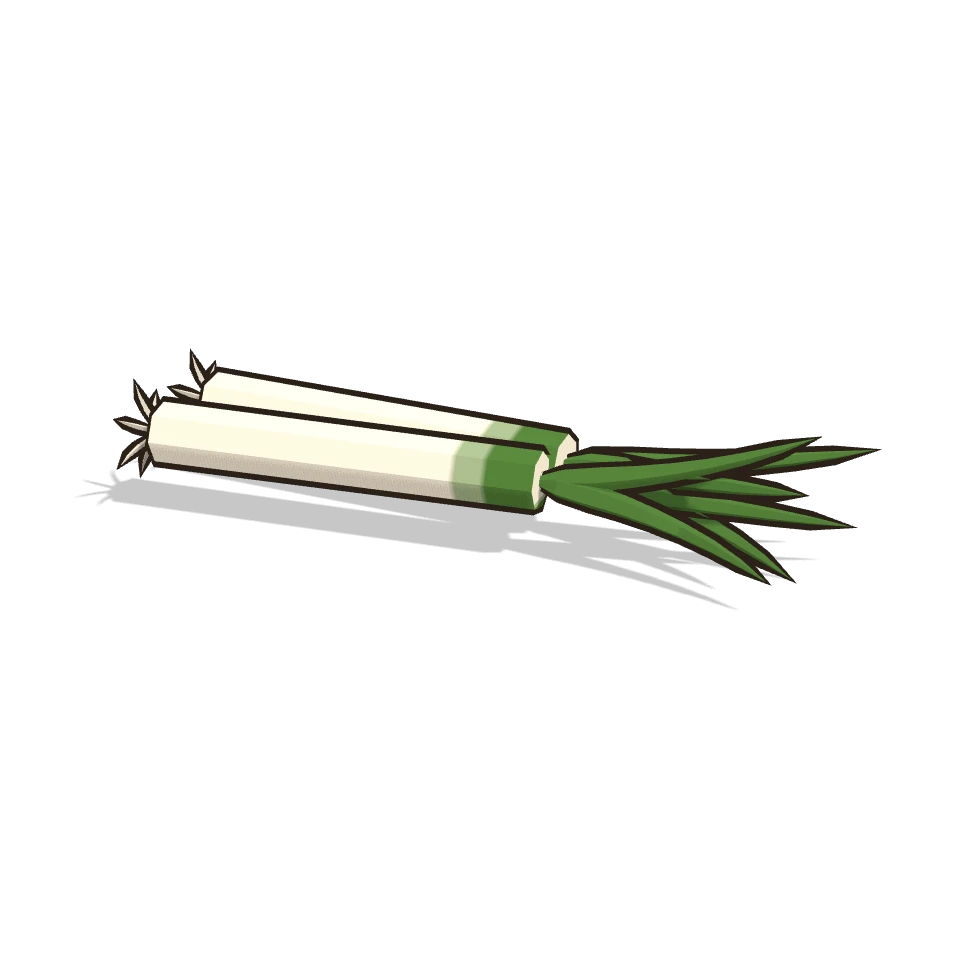
Kanto prefers the long white stem (nebuka negi), blanched under soil; Kansai prefers the green leaf (ha-negi). Cooking turns its bite into sweetness.
Whether you prefer white or green neatly marks Japan's east–west culinary divide.
per 100 g edible portion
35 kcal
| Energy | 35 kcal |
|---|---|
| Water | 89.6 g |
| Protein | 1.4 g |
| Fat | 0.1 g |
| Carbohydrate | 8.3 g |
| Dietary fibre | 2.5 g |
| Salt equivalent | 0 g |
| Sodium | Tr mg |
|---|---|
| Potassium | 200 mg |
| Calcium | 36 mg |
| Magnesium | 13 mg |
| Iron | 0.3 mg |
| Zinc | 0.3 mg |
| Iodine | 0 µg |
| Vitamin A (RAE) | 7 µg |
|---|---|
| Vitamin D | 0 µg |
| Vitamin E (α-tocopherol) | 0.2 mg |
| Vitamin K | 8 µg |
| Vitamin B1 | 0.05 mg |
| Vitamin B2 | 0.04 mg |
| Vitamin B12 | 0 µg |
| Folate | 72 µg |
| Vitamin C | 14 mg |
Source: Standard Tables of Food Composition in Japan, 8th ed., 2023 supplement (MEXT) · food no. 06226 · Tr = trace · — = no data