Description
A ginger relative whose flower buds, emerging from the ground, are eaten. Its unique aroma and crunch make it summer's classic garnish.
みょうが
myōga
Myoga ginger
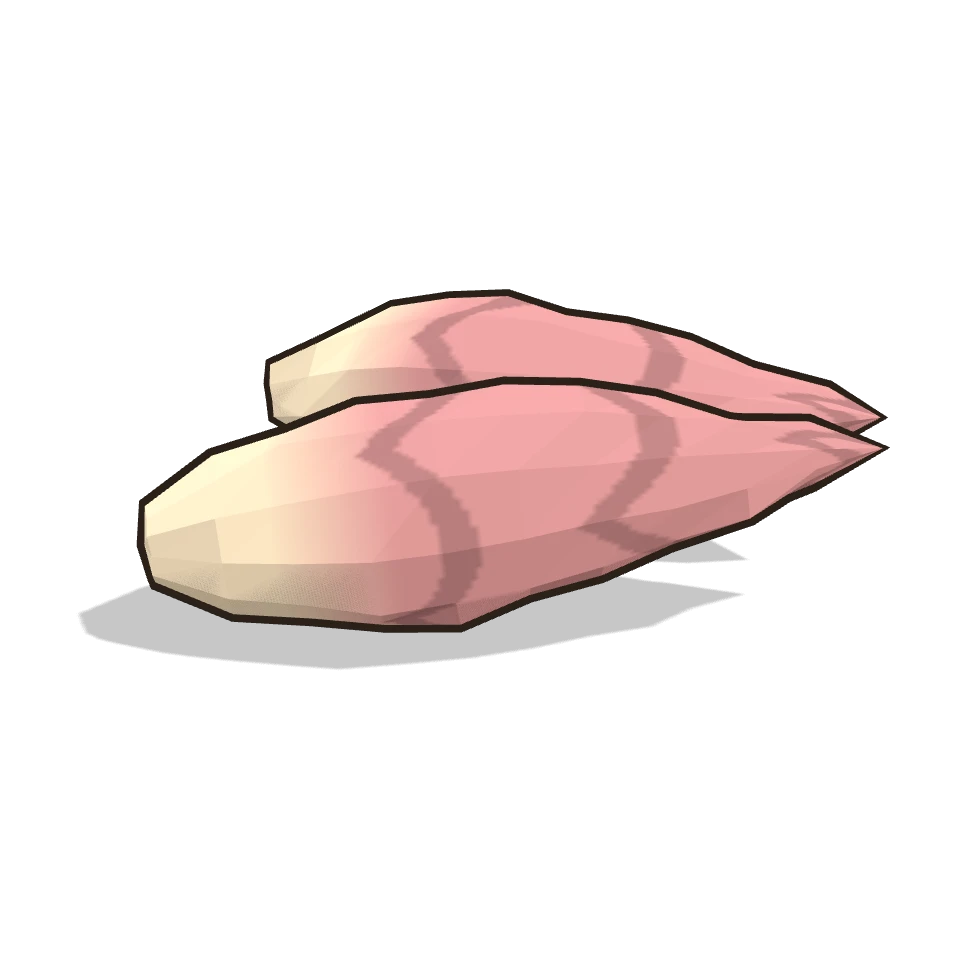
A ginger relative whose flower buds, emerging from the ground, are eaten. Its unique aroma and crunch make it summer's classic garnish.
Folklore says eating it makes you forgetful; there is no scientific basis for this.
per 100 g edible portion
11 kcal
| Energy | 11 kcal |
|---|---|
| Water | 95.6 g |
| Protein | 0.9 g |
| Fat | 0.1 g |
| Carbohydrate | 2.6 g |
| Dietary fibre | 2.1 g |
| Salt equivalent | 0 g |
| Sodium | 1 mg |
|---|---|
| Potassium | 210 mg |
| Calcium | 25 mg |
| Magnesium | 30 mg |
| Iron | 0.5 mg |
| Zinc | 0.4 mg |
| Iodine | 1 µg |
| Vitamin A (RAE) | 3 µg |
|---|---|
| Vitamin D | 0 µg |
| Vitamin E (α-tocopherol) | 0.1 mg |
| Vitamin K | 20 µg |
| Vitamin B1 | 0.05 mg |
| Vitamin B2 | 0.05 mg |
| Vitamin B12 | 0 µg |
| Folate | 25 µg |
| Vitamin C | 2 mg |
Source: Standard Tables of Food Composition in Japan, 8th ed., 2023 supplement (MEXT) · food no. 06280 · Tr = trace · — = no data