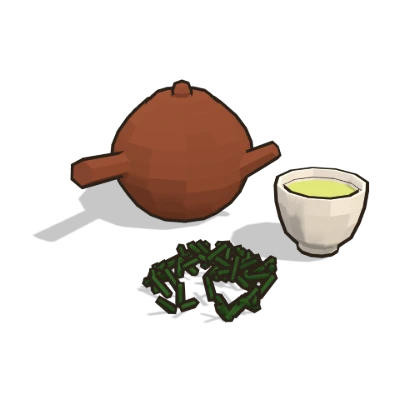
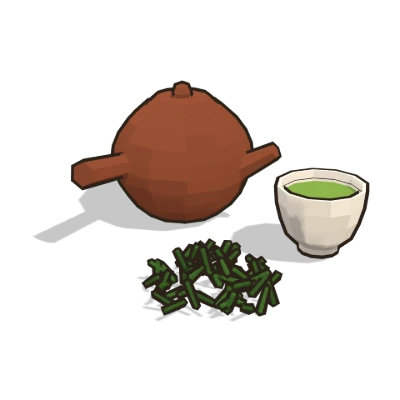
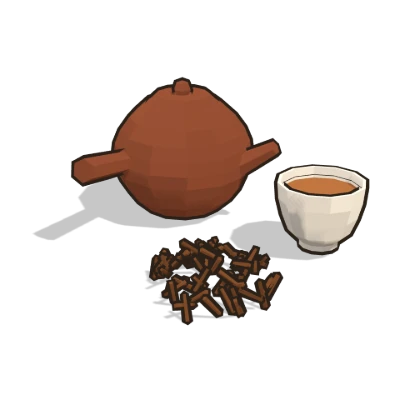
Description
Powdered tea from shade-grown leaves (tencha) ground in a stone mill. You drink the whole leaf, with all its umami.
まっちゃ
matcha
Matcha
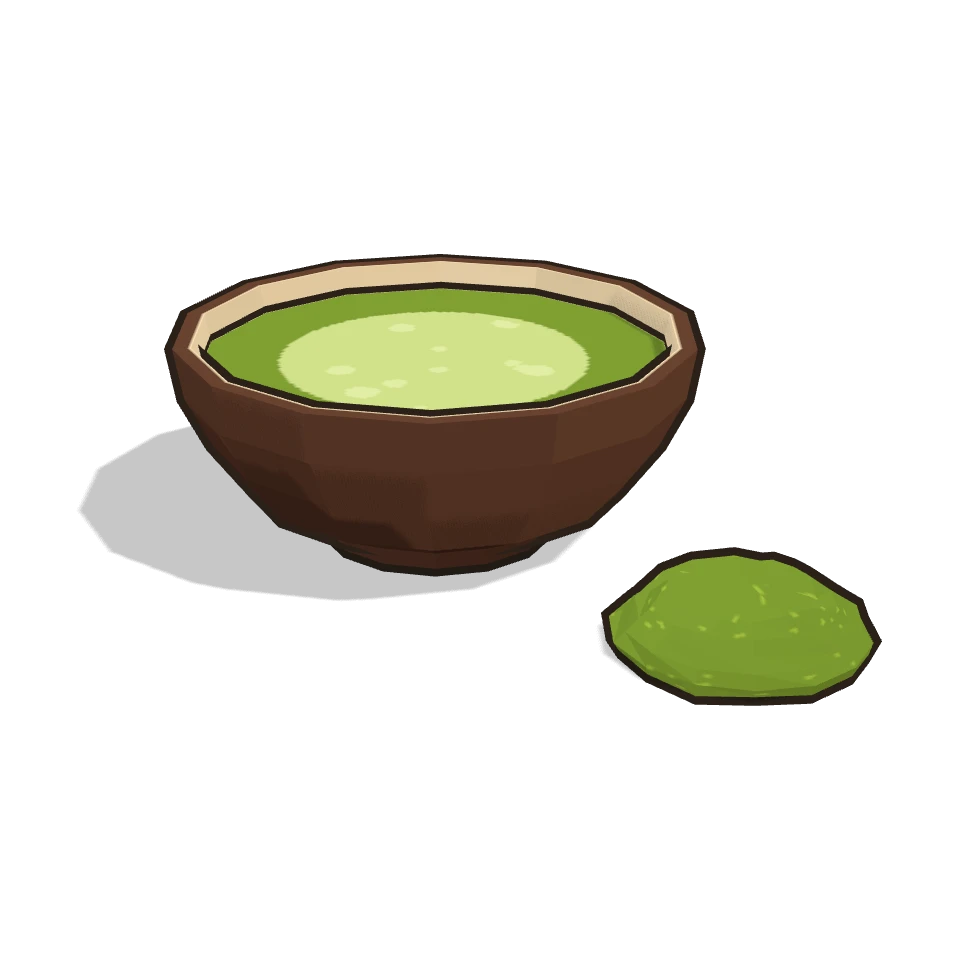
Powdered tea from shade-grown leaves (tencha) ground in a stone mill. You drink the whole leaf, with all its umami.
The monk Eisai brought the custom of powdered tea from China in the Kamakura era; it later grew into the tea ceremony.
per 100 g edible portion
237 kcal
| Energy | 237 kcal |
|---|---|
| Water | 5 g |
| Protein | 29.6 g |
| Fat | 5.3 g |
| Carbohydrate | 39.5 g |
| Dietary fibre | 38.5 g |
| Salt equivalent | 0 g |
| Sodium | 6 mg |
|---|---|
| Potassium | 2,700 mg |
| Calcium | 420 mg |
| Magnesium | 230 mg |
| Iron | 17 mg |
| Zinc | 6.3 mg |
| Iodine | — µg |
| Vitamin A (RAE) | 2,400 µg |
|---|---|
| Vitamin D | 0 µg |
| Vitamin E (α-tocopherol) | 28 mg |
| Vitamin K | 2,900 µg |
| Vitamin B1 | 0.6 mg |
| Vitamin B2 | 1.35 mg |
| Vitamin B12 | 0 µg |
| Folate | 1,200 µg |
| Vitamin C | 60 mg |
Source: Standard Tables of Food Composition in Japan, 8th ed., 2023 supplement (MEXT) · food no. 16035 · Tr = trace · — = no data