Description
A winter delicacy raised on rafts in Hiroshima Bay. Its rich, creamy flesh is eaten fried, in hot pots or dressed with vinegar.
かき
kaki
Oyster
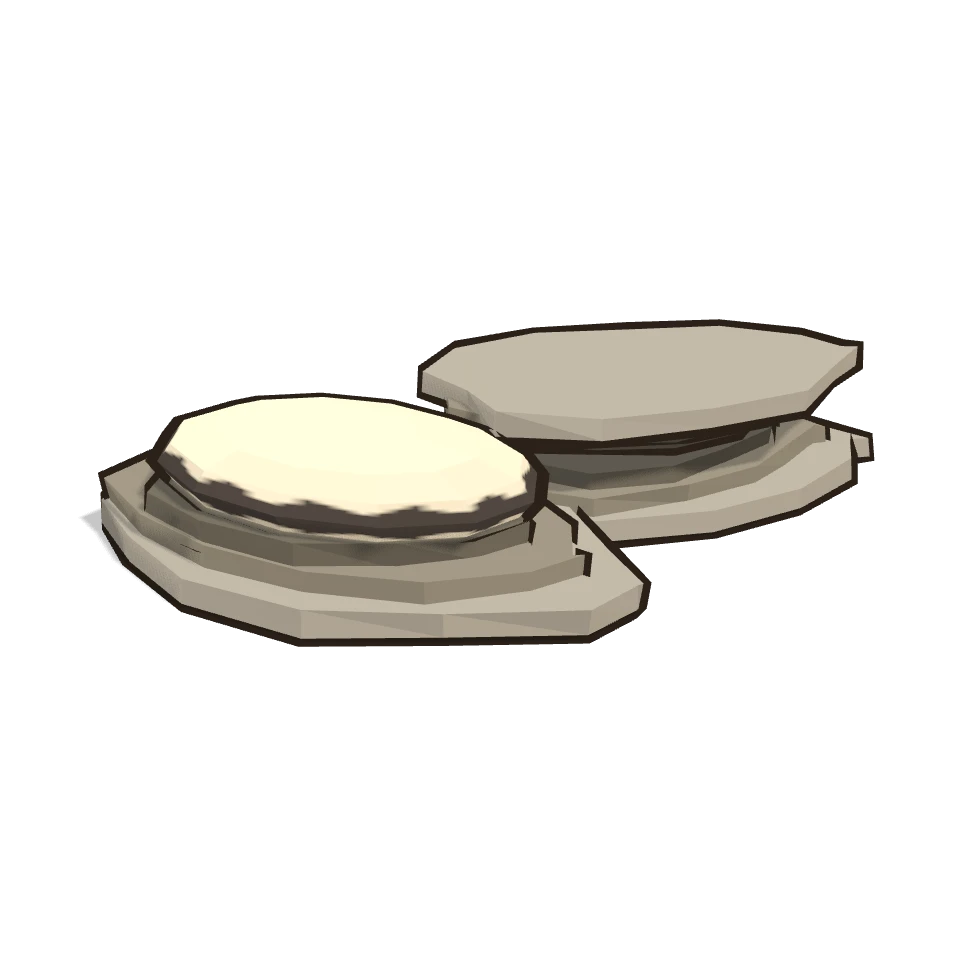
A winter delicacy raised on rafts in Hiroshima Bay. Its rich, creamy flesh is eaten fried, in hot pots or dressed with vinegar.
It is so nutritious it is called 'the milk of the sea'.
per 100 g edible portion
58 kcal
| Energy | 58 kcal |
|---|---|
| Water | 85 g |
| Protein | 6.9 g |
| Fat | 2.2 g |
| Carbohydrate | 4.9 g |
| Dietary fibre | 0 g |
| Salt equivalent | 1.2 g |
| Sodium | 460 mg |
|---|---|
| Potassium | 190 mg |
| Calcium | 84 mg |
| Magnesium | 65 mg |
| Iron | 2.1 mg |
| Zinc | 14 mg |
| Iodine | 67 µg |
| Vitamin A (RAE) | 24 µg |
|---|---|
| Vitamin D | 0.1 µg |
| Vitamin E (α-tocopherol) | 1.3 mg |
| Vitamin K | 0 µg |
| Vitamin B1 | 0.07 mg |
| Vitamin B2 | 0.14 mg |
| Vitamin B12 | 23 µg |
| Folate | 39 µg |
| Vitamin C | 3 mg |
Source: Standard Tables of Food Composition in Japan, 8th ed., 2023 supplement (MEXT) · food no. 10292 · Tr = trace · — = no data